Overview | Schedule | Side Effects | Monitoring | Questions | Tips | Patient Assistance | Emotional Wellness | Drugs | References
Tap along the timeline to move to different parts of the audio file.
Treatment Name: Venetoclax (Venclexta)
How does Venetoclax (Venclexta®) work?
Venetoclax (Venclexta®, ABT-199) is designed to kill cancerous B-lymphocytes that cause the disease known as CLL. Venetoclax does this by binding to and inhibiting a protein in cancerous lymphocytes known as “BCL-2,” which prevents the cell from dying and also makes it resistant to certain chemotherapy regimens.
What are the venetoclax goals of therapy?
Venetoclax is taken to shrink swollen lymph nodes due to CLL and kill CLL cells in the blood and bone marrow. By killing cancerous lymphocytes, Venetoclax is commonly given with the goal of extending survival as long as possible. It is also known as targeted therapy.
Tap along the timeline to move to different parts of the audio file.
Schedule
©ChemoExperts.org
Treatment Tracker®
Click here to create and customize your own treatment calendar.
Create Calendar
Venetoclax is given according to a weekly ramp-up schedule over 5 weeks to the recommended daily dose of 400 mg as shown here:
- Usual Venetoclax (Venclexta®) starting dose: 20 mg oral tablet by mouth once daily on Days 1 - 7, with a meal and a glass of water
- then increase to 50 mg daily on Days 8 - 14,
- then increase to 100 mg daily on Days 15 - 21,
- then increase to 200 mg (two 100 mg tabs) daily on Days 22 - 28,
- then increase to a maximum dose of 400 mg (four 100 mg tabs) daily and on, beginning Day 29
NOTE for patients with a large tumor burden as determined by your doctor, to monitor for Tumor Lysis Syndrome: After taking the first 20 mg dose, labs (blood tests) may be needed 6 - 8 hours later, then again 24 hours later. Likewise, after taking the first 50 mg dose, labs (blood tests) may be needed 6 - 8 hours later, then again 24 hours later.
Dose adjustments due to side effects were required in roughly one out of every ten patients.
Venetoclax may be taken at home, in an infusion center, or in the hospital depending upon the risk level.
Risk levels for patients with CLL taking venetoclax include: low risk, medium risk, or high risk.
Typical duration of therapy is usually until venetoclax no longer works, or unacceptable side effects are experienced.
Venclexta starter pack dosing can be found here.
Tap along the timeline to move to different parts of the audio file.
Side Effects
In clinical studies, the most commonly reported side effects with Venetoclax are shown here:
Serious reactions were reported in roughly 4 out of 10 patients who took Venetoclax. These included: pneumonia, neutropenic fever, fever without neutropenia, anemia, and tumor lysis syndrome.
Roughly 8% of patients discontinued Venetoclax therapy due to unacceptable side effects or abnormal blood tests, such as low platelet count and low red blood cell count.
Tap along the timeline to move to different parts of the audio file.
Monitoring
How often is venetoclax monitoring needed?
Labs (blood tests) will be checked before treatment, and as frequently as every 6 – 8 hours if the ramp-up phase occurs in the hospital. As lymph nodes shrink and the number of CLL cells in the blood decrease, the frequency of lab tests will likely decrease.
Monitoring may occur in the hospital or in an outpatient clinic, depending upon whether someone is considered, low, medium, or high risk for tumor lysis syndrome, and whenever a higher dose is used during the first 4-week ramp-up phase.
Monitoring during and after the Venclexta 5-week ramp-up will depend upon response to therapy, side effects experienced, and whether Venetoclax needs to be discontinued if not tolerated. Labs often include: Complete Blood Count (CBC), Comprehensive Metabolic Panel (CMP), uric acid, Lactate Dehydrogenase (LDH), blood magnesium, calcium, and phosphorous, plus any others your doctor may order. A bone marrow biopsy may be considered to monitor for minimal residual disease.
How often is imaging needed?
Imaging may be checked before Venclexta™ treatment, at Week 6, then Week 12 or 16, then Week 24, then every 12 weeks thereafter, until stable. Imaging may include: X-rays, computerized tomography (CT scan), and any others your doctor may order.
How might blood test results/imaging affect venetoclax treatment?
Depending upon the results, your doctor may advise to continue Venetoclax as planned, reduce the dose, delay or switch therapy, or discontinue this drug.
Questions to Ask Your...
A better understanding of your treatments will allow you to ask more questions of your healthcare team. We then hope that with the answers, you will get better results and have greater satisfaction with your care. Because we know it's not always easy to know what questions to ask, we've tried to make it easy for you!
Choose any healthcare provider below to see common questions that you may want to ask of this person. Then, either print each list to bring to your clinic visits, or copy the questions and send them as a message to your healthcare team through your electronic medical record.
×
- What does my caregiver need to know before I start therapy? Caregivers
- Caregivers will benefit from knowing the treatment you are receiving and what side effects they can expect. Caregivers may also benefit from knowing what "as needed" medications you have to treat common side effects of chemotherapy. It is important that they know the treatment schedule in case they need to take time off of work to bring you to the infusion center or doctor appointments. Use our Treatment Tracker to help you plan for treatment, doctor appointments, lab draws, and send all of these reminders to your smartphone. Work with your doctor and ask questions early and often before small problems become big ones. Knowing who to call during business hours as well as after hours is also extremely important. Reference
- Am I able to be the primary caregiver when my loved one is receiving cancer treatment? Caregivers
- Caregiving can be very difficult, especially if you live in a remote location and do not have access to resources, have little money, are elderly yourself, or are caring for someone who requires a complicated treatment regimen (Reference). Ask your doctor if they think you are able to care for your loved one based upon the treatment they are receiving and the condition they are in. When possible, reach out to other family members for help and seek assistance from friends. Many people will want to help, but may not know how unless you tell them! Take good notes during appointments and ask your doctor what might make things easier for you as a caregiver. For example, by connecting with a social worker, together you may locate resources such as grants, or temporary housing to make it easier for you to care for your family or friend. For example, you may qualify for free house cleaning.
- What is a clinical trial and am I eligible to participate in one now? Clinical Trials
- A clinical trial is a type of study in which people are assigned to groups that either receive a new treatment intervention or standard treatment. In clinical trials with patients with cancer, it is sometimes unethical to give no treatment or a placebo. The type of treatment received by the patient is determined by the study protocol. Ask your doctor if they have any clinical trials that are enrolling patients or know if any at treatment centers nearby. You may also visit the website clinicaltrials.gov to see what clinical trials might be available for all cancer types and where these clinical trial medications are being offered.
- Is it possible to participate in a clinical trial even if I live far away? Clinical Trials
- It is possible, but it will depend upon the clinical trial requirements and whether you are willing to travel periodically for monitoring. Some, but not all, clinical trials require daily laboratory work as part of the monitoring requirements. Usually monitoring is more frequent at the start of the trial and decreases as time goes on. Most clinical trials cover the cost of the experimental medication and some help to cover travel costs as well as scans when needed. If you cannot afford a standard treatment, a clinical trial may be a way to receive treatment while minimizing out-of-pocket costs.
- What are the best ways to minimize costs of treatment? Cost
- One way to minimize costs associated with cancer treatment is to ask your doctor what types of tests they are ordering. If they are expensive, ask if they are covered by insurance before getting the test. If you are concerned about costs, you can also ask your doctor to only order tests that are absolutely necessary and to minimize the ones that are unlikely to change the plan. Some anti-cancer and supportive care medications are now available as generic formulations and preferred by insurance companies. If these medications are still expensive, ask your doctor to work with your pharmacist to find cheaper alternatives. Some drugs have co-pay cards or patient assistance programs that can help reduce the cost.
- If I don't fully understand what type of cancer I am dealing with, how do I learn more about it? Diagnosis
- There are many reputable online resources to learn more about specific types of cancer, such as the American Cancer Society. Once a final diagnosis is made by your doctor, they can share this information with you and point you to other resources they know as well.
- What is the exact cancer diagnosis? Diagnosis
- An exact cancer diagnosis helps to narrow down potential treatment options that have the highest chance of working against the cancer. Your doctor will work with other specialized doctors, specifically pathologists, who analyze cancer cells and determine what type they are. From there, additional testing may be ordered by your doctor to further guide the decision towards the most targeted treatments.
Cancer type: ___________________________________________, Sub-type: ___________________________________________ - When does it make sense to get a second opinion? Diagnosis
- Common cancer types, for which treatment is well-established, are often treated by both community cancer doctors and doctors working at large specialized cancer centers. For some very rare cancer types, it may be best to seek care from someone who specializes in treating them because they have more experience and may be able to offer clinical trials using newer and possibly more effective treatments.
- Will I need to change what I eat during cancer treatment? Healthy Diet
- Ask your doctor if a dietician is available to speak with you. The dietician can thoroughly evaluate what you eat (your diet) and can work with your doctor to come up with specific recommendations based upon your diagnosis and treatment. In general, most experts recommend that you consume a diet that has enough protein to ensure you maintain your muscle mass. Some experts recommend plant-based protein whenever possible (Reference). A diet that contains whole grains, fiber, fruits, and vegetables is generally recommended, but some experts caution that uncooked fruits or vegetables during eaten during periods when your immune system is greatly suppressed could lead to infection. Because many treatments do not suppress your immune system, you may be able to continue your normal diet. Ask your doctor and dietician what is safe and good to eat and what is not. Visit Stanford Health Care's website on nutrition for recipes. Additional Reference found here.
- Am I able to safely continue over-the-counter and herbal supplements while receiving this treatment? Home Medications
- Some over-the-counter (or "O.T.C.") vitamins or medications and herbal supplements may increase the risk of side effects of therapy, or cause the treatment to not work as well. Be sure to tell your doctor and pharmacist everything that you are taking, including prescription and non-prescription medications, as well as any eye drops, inhalers, topical medications such as creams or patches, implants or injections, which are sometimes forgotten but are all medications too!
- What if I'm worried that the treatment won't work? Mindset
- Our mindsets describe for us what is right, what is possible, and what is natural. Changing our mindset often requires a combination of education and communication with others. In general, mindsets can be shaped by our education and experiences, people we trust, the media, social networks, culture, or religion. When it comes to treatment, it is okay to be uncertain. Your doctor wants to do what is right and will only offer treatment they think will help. Try to change your mindset by talking with your doctor. The belief that treatment will help you meet your goals is powerful and may actually lead to beneficial physiologic changes in your body.(Reference)
- How might I maintain a better sense of control? Mindset
- Your doctor may have advice specific to your situation, and may recommend that you see a social worker who can listen to you and recommend specific resources, often at little to no cost! In the meantime, consider visiting our emotional wellness page to learn about our "Life H.A.C.Ks"
- Do I need to see any other doctors? Monitoring
- If you have not seen a specialized cancer doctor, known as a medical oncologist for solid tumors such as breast, lung, or prostate cancer, or a hematologist for cancers such as leukemia or lymphoma, it is generally recommended that you do so. A cancer doctor will typically take over coordinating care and monitoring after surgery has been performed to remove the cancer. An oncologist or hematologist will help determine if medications may be needed to get rid of any remaining cancer cells, or to help prevent the cancer from coming back.
- What do I need to know regarding my blood tests, which are sometimes referred to as "labs"? Monitoring
- Unless you have access to them via your electronic chart, we recommend that you always ask for a copy of your labs. There are hundreds, if not thousands, of different blood tests available for your doctor to order. Some are common and some are not. Have your team explain to you what blood tests they have ordered and what the results mean when you do not understand. This way you will have a better understanding if the treatment is working or not. Plus, doctors may prescribe medications when your lab work is abnormal. When your lab work returns to normal you may be able to stop taking these medications, or reduce the dose.
- Is it helpful and safe to exercise before treatment? Physical Activity
- Physical exercise before, during, and after treatment has been shown to decrease the number of side effects and increase survival for patients with certain cancer types. You may not feel like exercising before treatment, but once you start feeling better ask your doctor about recommendations on the best way to start moving your body again in a way that is safe and beneficial. Importantly, you may have certain physical limitations now that may prevent you from doing certain exercises that may get better with treatment and time.
- What is the stage of the cancer and will my treatment be based upon the stage? Prognosis
- Some cancer types are assigned a "stage," which is used to define where in the body the cancer has been found on imaging scans such as a PET scan, CT scan, or MRI scan. Certain blood disorders, such as leukemias, are not assigned a stage because they travel throughout the body in the bloodstream.
- How well does this treatment work for people with the same type of cancer? Prognosis
- Clinical trials results (which can be found under references at the bottom of ChemoExperts.com treatment webpages) give doctors an idea of the response rate and what to expect when prescribing a specific cancer treatment. However, clinical trials enroll patients who are not always similar to the general population. It is sometimes harder to tolerate treatment when you have certain other conditions, such as high blood pressure, diabetes, or being overweight, among others. Because of this, the expected response rate to treatment is best answered by your doctor.
- Is this treatment designed to make me live longer, feel better, or both? Prognosis
- The effectiveness of treatments are improving year after year for many types of cancer. Often times, but not always, treatments significantly extend life span and make people feel better, even for certain incurable cancers. To help you decide on the right treatment, ask your doctor what you can expect from this treatment as compared to alternatives.
- How can I keep track of all of my doctor visits, lab appointments, scans, and medication refills? Schedule
- Your doctor and nurse will give you a schedule of treatments, including dates and times. They may be subject to change based upon your condition, your schedule, and the clinic's availability. There are many ways to keep track of things, including writing them in a calendar, or using your smartphone. To get started, try using our ChemoExperts Treatment Tracker to input the date and time of your treatments and appointments into the calendar. Then using your smartphone, put in the code you have generated and sync all events to your smartphone's calendar so that you won't miss a single appointment!
- Are there any long-term side effects associated with this medication, and if so, is there anything I can do to prevent them? Side Effects
Long-term side effects of anti-cancer medications are specific to each medication. Not all anti-cancer or chemotherapy medications have long-term side effects, but several have been associated with memory difficulties (sometimes called "chemo brain"), heart problems, diabetes, numbness or tingling in hands and feet, fertility problems, or fatigue. Ask your doctor if the medications you are receiving may cause any of these (or others) and if there is anything you can do to reduce the risk or prevent them altogether.
- What can I be doing to reduce the number of side effects I may get? Side Effects
- If you have a good understanding of what side effects to expect you can begin to take measures to possibly prevent them. Watch our side effect videos to learn more. For side effects that we do not yet have videos for, ask your doctor for ideas on how best to prevent them or if they occur, manage them appropriately. Doing so may keep you out of the hospital or even save your life!
- Will this treatment cause fatigue and if so, what can I do about it? Supportive Care
- According to one large study, fatigue is reported by roughly 6 out of 10 people receiving treatment for cancer (Ref: Roila F, et al. Support Care Cancer. 2019). It is commonly described as the hardest side effect to deal with when receiving cancer treatment. In about half of these people, fatigue lasted for more than 4 months. The investigators also found that the most important factors related to the development of fatigue were decreased physical activity, poor sleep quality, pain, anxiety, anemia, and depression (Ref: Roila F, et al. Support Care Cancer. 2019). Fatigue may impact your relationship with others, and ability to work or have fun. It is often under-treated and importantly, medications are not always needed to make it better. If fatigue is an expected side effect of your treatment, or you feel it already, work with your doctor now on ways to prevent fatigue or to decrease its impact on your lifestyle.
- What is supportive care? Supportive Care
- The term "supportive care" was developed to describe the management of side effects from cancer treatment, but has been expanded to include all symptom management for patients before, during, and after treatment. Supportive care requires good communication among patients and health care providers, as well as family and caregivers. In addition to improving your physical functioning, supportive care also considers social, spiritual, and psychological wellness when considering ways to improve your quality of life. In addition to your doctor, supportive care is best delivered through a multi-disciplinary team, which may include specialists from nursing, pharmacy, nutrition, pain management, social work, physical therapy, and others. Ask your doctor what you can do to ensure your needs are being met and that maintaining the highest quality of life possible remains a primary focus of care. (Olver I, et al. Support Care Cancer. 2020)
- What is a consent form and do I need to sign it before treatment? Treatment
- A consent form contains information about your treatment, including possible risks and expected benefits. Signing the consent means that you understand and agree that the possible benefits outweigh risks and that you are willing to move forward with treatment. Not all treatments require a consent form. Your doctor will tell you if a consent is needed.
- Will I need radiation in addition to medications? Treatment
- Some cancers respond particularly well to radiation and some do not. Your doctor will know whether radiation is likely to work or not and will refer you to a doctor who specializes in radiation treatment if indicated.
- How do I keep good records of my treatment history and what documents should I ask for? Treatment
- We think the best way to keep track of things is to come prepared for clinic visits with pre-prepared questions, like this one! Then take good notes throughout each and every visit. At the end of each visit, ask your doctor for copies of your labs, scan results, pathology reports, and any other test results they might have.
- How many treatment options are there to treat this cancer, and why did you choose the one you did over the others? Treatment
- Please list all alternative treatment options here:
1) ___________________________________________________________
2) ___________________________________________________________
3) ___________________________________________________________
4) ___________________________________________________________
5) ___________________________________________________________ - If possible, should I change how I do my job in order to balance treatment-related side effects? Work
- While not always possible, some people are able to change what they do at their jobs to reduce some of the stress or physical demands on their body while undergoing treatment for cancer. Many people do not want to stop working and this might be one way to keep working until you are feeling back to your normal self.
- Should I take time off of work to receive this treatment? Work
- Many anti-cancer medications can be taken at home thus allowing one to continue to work full-time. That said, side effects of pills can be as severe as some intravenous therapies and may prevent you from working until they are under control. If you need to receive intravenous infusions, check our schedule section to see how long the infusion might take and decide whether it would be good to take that day off or adjust your work hours when possible. Based upon your specific treatment, your doctor will help you decide what to do and when appropriate, may write a letter for you to take time off of work.
- If I am working, are there effective treatment options that also minimize interruptions to my work schedule? Work
- If you work full-time, treatments consisting of all oral therapies (pills) may cause the least disruption to your work schedule. However, pills often require that you take them continuously as long as they continue to work and are not causing harsh side effects. Sometimes intravenous (I.V.) medications are given over a pre-specified period of time, depending upon the medication and cancer type. Tell your doctor what your work schedule looks like and the type of work you do so that you can decide together on a treatment that makes the most sense for you. On occasion, other therapies do not exist, but thankfully cancer researchers are working on developing new treatments every year.
- What if my job as a caregiver is getting harder? Caregivers
- Caregivers can be partners, children, parents, siblings, friends, or colleagues. Importantly, the needs of the person receiving treatment may first grow and not decrease until that person feels better. As a result, the primary caregiver may take on more tasks, such as cooking, laundry, house cleaning, or child care. Although being a caregiver can be both rewarding through improved self-worth, and relationship enhancement, it can become overwhelming at times too (Reference). Tell your doctor what has become most difficult for you to manage. And remember, it's okay to ask other potential caregivers for help with tasks to make your job as a primary caregiver a little easier.
- What should I do if I receive a bill for something that I thought would be covered by insurance? Cost
- On occasion, items may be submitted and denied by insurance for a variety of reasons. Sometimes the medication or procedure is not covered, but sometimes claims are submitted with too little information to be approved by insurance or sometimes claims are submitted with the wrong information (example: miscoded). A denial letter from the insurance company, when issued, usually helps to explain the situation. If you receive an unexpected bill, ask your doctor if there is a financial counselor or someone you can speak with to help you.
- How do the results of my genetic tests affect the treatment I received? Genetics
- Doctors now have the ability to send cancer cells for genetic testing. The tests look for abnormal segments of DNA that give clues to what treatments might work and which treatments might not be worth trying. The reason is that previous studies have shown them to be ineffective when certain genetic mutations are present. Your doctor can tell you if a genetic test is worthwhile, or if already sent, what the results are and how they affect treatment choice.
- What if I do not feel like eating during treatment or if foods taste different to me now due to treatment? Healthy Diet
- Some treatments are well-known to change the way foods taste. Some experts recommend avoiding your favorite food if it tastes different during treatment so that when you are finished with treatment, you will still enjoy eating it. In addition, if food makes you nauseated, try to avoid foods that produce a lot of aroma, or leave them uncovered so that they do not produce overwhelming smells when you take the lid off. If you are unintentionally losing weight, ask your doctor if you can meet with a dietician who can recommend specific foods that will help prevent further weight loss.
- What foods should I avoid while receiving treatment? Healthy Diet
- Be sure to check with your doctor and pharmacist about foods that may interact with your treatment because certain medications may be affected. For example, grapefruit and grapefruit juice commonly interacts with certain anti-cancer pills.
- What foods should I eat during treatment? Healthy Diet
- Ask if a dietician is available to speak with you. In general, most experts recommend that you consume a diet that has enough protein to ensure you maintain your muscle mass. Some experts recommend plant-based protein whenever possible. If you have had antibiotics recently, dairy products may be more difficult to digest and cause abdominal pain. It may take time to re-populate the good bacteria in your gut once antibiotics are stopped. Some experts also do not recommend probiotics and would advise you talk with your doctor and pharmacist before taking a probiotic supplement while receiving cancer treatment. In general, it is best to avoid highly processed foods, and those that have a lot of sugar. Ask your doctor or clinical pharmacist if raw fruits and vegetables are safe to eat with your treatment as these are often the best source of necessary vitamins and nutrients your body needs to stay healthy.
- What if my other doctors prescribe medications while I am receiving treatment from you? Home Medications
- Before you start taking medications, it is usually a good idea to tell your hematologist or oncologist about newly prescribed medications from other physicians, physician assistants, or nurse practitioners to avoid any dangerous drug-drug interactions. If they do not know the answer, they will refer you to a pharmacist.
- Do you recommend I make any lifestyle changes now, or is it best to wait until after treatment? Mindset
- Now might be the time to start thinking about lifestyle changes. Are you avoiding things that make you unhealthy and doing things that build you up? Treatment will likely work better if you are in better physical condition! If you are feeling fatigued from treatment, watch our video on fatigue for some ideas on regaining energy.
- What if I am concerned about my sexual health? Who can I talk to? Mindset
- Intimacy is an important part of many people's lives. Cancer and its treatment (surgery or medications) may cause anxiety, fear, a depressed mood, nausea, or fatigue, all which can lead to decreased sexual desire, decreased function and lower level of intimacy. It is a common problem and is probably underreported. Although it may be a bit uncomfortable to talk about at first, your doctor will understand. Certain medications may help improve your sexual health. Additionally, ask your doctor about the availability of counselors or other specialists that can speak with you and your partner. These specialists may have you fill out a brief questionnaire that will help them help you! Reference
- If I am having a hard time coping with the diagnosis, treatment, and all of the disruptions they have caused in my life, are there support groups available? Mindset
- Support groups available online or in-person and may be offered by your treatment center. Ask your doctor which ones they recommend.
- How quickly does this treatment work and how will I know it is working? Monitoring
- The first sign that a treatment is working is often when your symptoms reduce in severity. Your doctor may order blood tests and scans at various time points throughout your treatment to determine how well it is working. On occasion, treatment may be switched to a different regimen if the blood results or scans do not show that the cancer is not responding as expected.
- If I need to reduce the dose(s) of my treatment, will it affect how well it works? Prognosis
- Certain anti-cancer medications can be reduced without affecting the overall chances of getting rid of the cancer. Your doctor or clinical pharmacist may be able to answer this question for you based upon the specific cancer and treatment. Sometimes dose reductions are made due to side effects. Other times dose reductions are made due to kidney, or liver problems when these organs are involved in breaking down the medication. In these instances, it is expected that the anti-cancer medication will achieve the same level in the body as it would in someone with normal kidney or liver function. Likewise, without changing their effectiveness, anti-cancer medications may require a dose reduction if they interact with another medication you are taking to treat another illness.
- Is there anything that can be done if I am overwhelmed by the number of appointments for doctor visits, scans, and blood tests? Schedule
- Ask your doctor if certain labs can wait to be drawn at the same time as others, or drawn a little early to avoid unnecessary trips. Or, ask if there are alternative medications that you might be able to take that do not require as many visits required for monitoring. Importantly, some tests should not be delayed or drawn early because they may affect your doctor's ability to make a decision that is important to your overall health.
- How do I know when to call about a side effect and when to try to manage it on my own? Side Effects
- Ask your doctor and nurse which side effects from your specific treatment are most concerning and when to call the clinic, or an after-hours on-call doctor for help. That said, sometimes even seemingly simple problems such as mild constipation should prompt a phone call to your doctor in order to prevent a small problem from becoming a major one, such as a complete bowel obstruction. Most importantly, by calling your doctor when you are not feeling well, side effects will be appropriately managed and you will feel better faster.
- When do you consider stem cell or bone marrow transplantation? Stem Cell Transplant
- Depending upon your age and the type of cancer, some patients are candidates after finishing their first treatment regimen, while others might wait until a relapse is detected and receive a different treatment before a stem cell transplant is offered. All types of stem cell transplants (allogeneic, autologous) have the potential for both short- and long-term side effects afterwards, thus the decision to pursue a transplant is not a simple one and requires consultation with a doctor who specializes in stem cell transplantation to ensure that the benefits likely outweigh the risks.
- What can I be doing to take care of myself while receiving treatment? Supportive Care
- It is important for a patient to be able to activate and support self-management, as well as engage in an exercise program that is safe and tailored to their abilities. Self-management refers to tasks related to the management of the disease or treatment, working with new emotions, and the possibility of changing roles in relationships in order to continue to live well with the condition (Chan RJ et al. Support Care Cancer. 2020). The delivery of information, such as that which is found on ChemoExperts.com, can help patients gain the knowledge necessary to begin to self-manage side effects such as fatigue, pain, diarrhea, constipation, and more. Certain side effects require immediate attention by your health care provider and it is important that you know what these are and when to seek immediate medical attention. In order to effectively take care of yourself, set goals with your doctor and formulate actionable plans that enable you to work through problems when you can, but also seek help in a timely manner when you need it. Ask questions when you do not understrand something. As clinicians ourselves, we see too many patients remain silent during their clinic visits. Now is your time to speak up!
- How long has this treatment been used to treat people? Treatment
- The longer a particular treatment has been in use the higher likelihood that your doctor will have real-world experience with it and be able to tell you what the road ahead might look like. However, for the older regimens still in use, the clinical trials that led to their use did not typically report detailed information on side effects like newer therapies do now. Thus, by reading the references (found at the bottom of every ChemoExperts.com regimen page) for cancer treatments, your doctor will still have a good idea of what to expect for medications they are prescribing for the first time.
- Are there other treatment options if this one stops working or does not work at all? Treatment
- Your doctor can give you a general idea of the likelihood of response to treatment based upon characteristics specific to you. Know that not everyone responds to treatment the same because we are all unique. Genes, gender, size, and other medications we take are just a few things that can sometimes influence response to treatment.
If this treatment stops working, please list treatment options here:
_____________________________________________________________,
_____________________________________________________________,
_____________________________________________________________,
_____________________________________________________________, - What can I be doing to increase the chances of this treatment working? Treatment
- Your doctor may recommend dietary changes, increased physical activity, or simply staying on schedule with all prescribed treatments. Tell your doctor if you are missing doses of medications and the reasons why. They are here to help you, not judge you, and would rather know so that they can give you the ideas or resources you need to be successful.
- Is anyone in my family at risk of inheriting this cancer? Genetics
- Certain types of cancers carry a risk of being passed down to children. Most cancers however, either arise from unknown causes or develop from risk factors such as being overweight, having certain types of infections, or being exposed to environmental toxins such as chemicals, smoke, or excessive sun exposure. Some cancers are related to your age. Your doctor will know whether this cancer may have been due to the genes you inherited and whether it is worthwhile for your family members to get tested.
- Are there diet changes that might help prevent developing cancers in the future? Healthy Diet
- Foods with whole grains (examples: wheat, bran, oats), those containing dietary fiber, and non-starchy fruits and vegetables have the best evidence for decreasing the risk of cancer. Ask your doctor if you can meet with a dietician to get healthy eating recommendations as well as recipes you may like.
- What can I do if I'm having a hard time exercising? Physical Activity
- Your beliefs about what you can do and your expectations regarding how your body will benefit likely have a strong impact upon whether you start exercising, and whether you stick with it. Some experts find that the most successful people make physical activity a part of their routine, just like you do with brushing your teeth. Over time, you will find that daily physical activity will lead to many health benefits for both your body and your mind. To avoid hurting yourself, consider starting out slow. Every little bit counts, especially when it becomes a regular practice. Ask your doctor about the best way to begin a physical activity program and whether they think seeing a physical therapist would help as well. Physical therapists can teach you new exercises and ensure the ones you are doing now are safe and beneficial.
- What can I do to help prevent the cancer from returning? Survivorship
- Cancer prevention is of the utmost importance, especially when you have a history of cancer. Although this is a difficult question to answer, your doctor may have specific recommendations for you. Closely follow your doctor's recommendations for monitoring and don't miss or cancel clinic visits. In general, the World Cancer Research Fund International and American Institute for Cancer Research recommend the following: 1) Be physically active each day 2) avoid eating processed foods and try to avoid adding sugar to your foods or drinks 3) Eat mostly plant-based foods and limit red meat and processed meat consumption 4) It is best to avoid alcohol altogether, but if you decide to drink, limit alcoholic drinks to 2 per day for men and 1 per day for women 5) Limit processed foods that are high in salt 6) Use the foods you eat (vegetables and fruit), not supplements (vitamin or herbal pills), to prevent cancer. It's not always what you are eating, it's what you're not eating that matters too.
×
- What can my caregiver expect to experience emotionally? Caregivers
Being a caregiver can hold a lot of meaning and personal satisfaction, but it is important to be aware that caregivers experience emotional pain, sadness, and frustration as well. They may experience caregiver fatigue and, if so, might look for a local or online support group to assist with navigating the ups and downs. Ask you nurse if there are specific things that they think might help your caregiver as well.
- Who should I consider to have as my caregiver during cancer treatment? Caregivers
Your primary caregiver should be a trusted spouse, partner, parent, or adult child. You can also consider close friends, co-workers, or neighbors to assist.
- What tasks might be required of my caregiver? Caregivers
If you are not feeling well, your caregiver may need to be available to drive you to and from your clinic appointments, lab draws, and infusion visits. If the treatment you are receiving increases the risk of serious side effects, you may need to have someone available around-the-clock in case you need urgent help or deciding if you need transportation to the ER. At some or all stages of your treatment, you may need a caregiver in home 24 hours a day to help you with eating and bathing until your are feeling better. Caregivers often play an important role in helping you keep track of your scheduled medications throughout treatment. Ask your nurse what other ways your caregiver may be able to help.
- Are there any programs that I can use to help minimize the cost of my treatment? Cost
If your cancer treatment is going to be costly, there may be financial or patient assistance programs available to you to help lessen out-of-pocket costs. Ask your nurse if any of these are available and if someone such as a financial counselor can help you. You may qualify for financial or patient assistance programs, or supplemental insurance. If you do not know your pharmacist, your nurse may be able to connect you with one that may help reduce the cost of medications.
- How long will it take to get results back in order to make a final diagnosis? Diagnosis
- Depending upon the amount of information that is needed for diagnosis, how long it takes to perform certain laboratory tests, and how long it takes to get all of the information back, the total time to diagnosis may vary. Your nurse or doctor can help give you an estimate of how long it will take, but may not be able to give an exact answer in some cases because certain tests may be sent to a variety of specialized labs. A key component to receiving a final diagnosis depends upon whether all tests have been completed.
- How will I find out about the results and the final diagnosis? Diagnosis
Results of your tests may be given over the phone or in person during a follow-up clinic visit. Be sure to ask the clinic staff how you will find out this information. Once a final diagnosis is made by your doctor, your nurse should be able to find this information for you in your chart.
- What resources can I use to help learn more about my diagnosis? Diagnosis
- What kinds of foods should I eat to prepare for treatment? Healthy Diet
Before treatment, ask your nurse if the specific treatment you are receiving is likely to change the way food tastes or if you are likely to lose weight. Now might be a good time to reevaluate what you eat on a daily basis. If you eat a lot of sugary or fatty foods, it would be good to eat more wholesome foods such as vegetables and fruits. Remember, it is not always what you are eating, it is what you are NOT eating that matters as well. Fruits and vegetables may contain valuable cancer-fighting compounds that may help you heal faster. If your healthcare team advises that you avoid vegetables, ask them for the written information that supports this recommendation.
- What resources can I use to help me make better choices regarding my diet as I begin cancer treatment? Healthy Diet
- Many oncology clinics have a dietician available to help you make positive changes in your diet. If one is not available, your nurse may be able to give you appropriate resources to help you make safe and positive dietary changes.
- Will I need to start any new medications? Home Medications
There may be several medications that need to be started for anti-cancer therapy. Some of these medications may help you to avoid possible side effects from treatment and are therefore extremely important. Ask your nurse about the new therapies you are starting and why you need to take them. Knowing what they are, how they work, how often they need to be taken, and the dosages will help keep you safe.
- Do I need to stop any of my medications before starting cancer treatment? Home Medications
Some medications need to be stopped or changed before starting treatment because they may not be needed. On occasion, other medications may need to be switched to a different one, or stopped altogether if they interact with new anti-cancer medications or supportive care medications that are prescribed for you. Your nurse can work with your doctor and pharmacist to determine if any changes to your medications need to be made before treatment is started.
- What should I do if I'm not a person who likes to ask for help? Mindset
Your nurse wants to make your life easier, but won't be able to unless you tell him or her what you are struggling with. Know that most health care professionals genuinely want to help you and the questions you ask now will save both you and them time by preventing problems down the road. If you can change your mindset and begin asking for assistance early, it will help them and it will help you. Problems may be able to be prevented and everyone wins!
- Which lab values are most important for me to keep track of? Monitoring
This depends upon your specific treatment, but in general, you should understand the normal ranges for your white blood cells, hemoglobin, platelets, serum creatinine (kidney function), and liver function tests (bilirubin, AST, ALT, Alkaline phosphatase). Your nurse may be able to help you understand what happens if your lab results are not within the normal ranges for these specific tests.
- Do I have to come to the clinic for labs or can I get them done at a facility closer to home? Monitoring
Some labs may need to be done at the clinic since not all laboratories have the ability to do them, but some routine labs could be done at a laboratory closer to home to save you a trip to clinic if it is a long drive. If you are interested in getting labs done closer to home, ask your nurse if this would be possible.
- Is it important to keep good records of my laboratory results? Monitoring
It is always a good idea to keep good records during your treatment course. Your nurse can help you get the records that you need.
- What can I be doing to reduce the number of side effects I get from cancer treatment? Side Effects
If you have a good understanding of what side effects to expect, you can begin to take measures to prevent them. Watch our
side effect videos to learn more. For side effects that we do not yet have videos for, ask your nurse for ideas on how best to prevent them or if they occur, manage them appropriately. Doing so may keep you out of the hospital or even save your life!
- What side effects might require a trip to the emergency department? Side Effects
Some side effects can be life-threatening and need to be treated right away! Ask your nurse what side effects can be life threatening and if they occur, need to be treated at the nearest or emergency department (ED) or the emergency room (ER) designated by your health care team.
- What is a stem cell transplant? Stem Cell Transplant
A stem cell transplant is the infusion of stem cells collected from yourself, a related donor, or an unrelated donor. These stem cells restore white blood cells, red blood cells, and platelets after your own stem cells have been destroyed by high doses of chemotherapy and/or radiation. Your nurse may be able to further explain the process if a stem cell transplant is needed.
- If I have an issue after normal clinic hours, what phone number do I call? Supportive Care
Serious issues can arise anytime of the day or in the middle of the night. Ask your nurse what on-call phone number you need to speak to a doctor or other healthcare professional after hours.
- If I'm afraid to start treatment, who is the best person to talk with? Treatment
Your nurse may have experience helping other patients who have received the same treatment recommended to you. If they do not have experience, ask your nurse to schedule another appointment with your Doctor to answer questions. You can also ask your nurse if a social worker is available to talk to. They may be able to help you navigate through many of the fears of starting treatment and help you take the proper steps in addressing them.
- What should I look for to know if my caregiver is experiencing caregiver fatigue? Caregivers
If your caregiver begins appearing irritable, withdrawn, depressed, stressed, etc. they may be experiencing burnout. Changes in their sleep pattern and/or eating habits may also be a sign. Your nurse may know of other signs to look out for as well.
- What if my caregiver is not available? Caregivers
It is important to have a designated back-up during the times your primary caregiver is unavailable or to have a plan in place for the times that they are not around. If you know you will have difficulty making it to certain appointments, ask your nurse if they might be able to reschedule for a time or day that works for you. If you need transportation to a health-related appointment, your social worker may be able to assist, but will need plenty of time to make arrangements for you. In the case of an emergency, never hesitate to call 911.
- What can I do to support my caregiver? Caregivers
Encourage your caregiver to schedule rest and relaxation, have other friends or family members take "shifts" being the caregiver, allow friends or loved ones to cook meals, or find local or online support groups when time permits. It is important your caregiver continue to engage in activities that bring them joy, even though they may feel guilty stepping away from their role. Remind them they can't take care of you unless they take care of themselves first! Your nurse may have more specific ideas for you as well.
- How can I ensure I am getting adequate nutrition when I have no appetite during cancer treatment? Healthy Diet
When food becomes unappealing, focus on protein shakes, smoothies, electrolyte replenishing drinks, and broth. Ask your nurse to connect you with a dietician to help you with making food choices that agree with you. When all else fails, eat what you can! Most experts agree that a small snack that sounds delicious and stays down is better than nothing at all.
- What should I eat if I am experiencing diarrhea during cancer treatment? Healthy Diet
In some cases, diarrhea can be caused by an infection. Be sure to speak to your nurse and care team before attempting to manage diarrhea at home. You should then consider trying the B.R.A.T. diet (banana, rice, applesauce, toast, oatmeal, or crackers) or bland foods. If you like dairy products, know that they may cause cramping in some people during treatment. If your stomach is bothering you, and you are having diarrhea, eat dairy in small amounts until you know you can tolerate a full serving.
- If I am admitted to the hospital, do I need to bring my home medications with me? Home Medications
It is always helpful to bring your medications so that your healthcare team can see exactly what you are taking and determine if you need any refills before you go home. Importantly, most if not all, medications will be supplied by the hospital. However, some medications such as oral anti-cancer medication or chemotherapy pills may not be routinely stocked and may not be readily available to the hospital's pharmacy. If this is the case, and your doctor wants you to continue to take your oral anti-cancer medication, you may ask the hospital if their policy permits you to use your own medication so that you do not miss doses. If you do bring your medications, and they allow you to use your own supply, it is important to know that hospital staff often require that they oversee the administration of these medicines so that they know exactly what you are taking in order to keep you safe. If they do hold onto your medications, make sure you ask for your them back before you leave since it is common for people to forget. Your nurse may be able to help answer more specific questions about medications brought into the hospital.
- Who do I contact if I need a refill on my medications? Home Medications
To make sure that you don't experience any delays in treatment, make sure you ask your nurse who you should contact and how you should contact them when you need medication refills. Also be sure that they have your preferred pharmacy on file so they can send your prescription to the correct pharmacy.
- What do I do if I want to take natural or dietary supplements with anti-cancer treatment? Home Medications
- Natural or dietary supplements are often unregulated and unproven. They may reduce the effectiveness of certain types of anticancer therapies or chemotherapy, or add additional side effects that you may not be aware of. Because of these things, herbal and dietary supplements are often not advised to be taken during treatment. That said, some supplements may be beneficial and even recommended. Importantly, your medical team can give you specific instructions on what to do if you are interested in these types of therapies. Do not start these therapies without speaking to your medical team first. If you would like to learn more about certain dietary and herbal supplements so you can ask more detailed questions of your doctor, visit this website sponsored by Memorial Sloan Kettering Cancer Center and scroll to the bottom to type in the supplement you are interested in knowing more about.
- If I am having mental health issues during treatment, what resources are available? Mindset
There are many resources that can help people deal with their diagnosis and treatment. Know that you don't have to face mental health issues alone. Talk to your nurse about what services are available at your treatment center to help with anxiety or depression, and ask what other mental health services are available in your area.
- Can I come in a day or two early to have labs drawn to decrease the amount of time I wait to receive treatment? Monitoring
In some instances, labs have to be drawn on certain days. In other instances, labs can be drawn a day or two before treatment. If interested, ask your nurse if you need to have labs drawn on the day of treatment or if you can get them done earlier to lessen the time you spend waiting at the infusion center.
- Who can help me stay active when I am feeling weak? Physical Activity
In order to maintain activity in a safe manner, ask your nurse to put you in contact with a physical therapist. They can assess your strength level and give you individualized exercises to maintain and build muscle safely. An example is to get up every hour during the day for a short walk in the house to maintain endurance. It might not be easy, but try to stick with it because it may greatly benefit you in the long run.
- What side effects should I contact the clinic about if they happen? Side Effects
Ask your nurse which side effects should prompt a phone call and which side effects can be managed on your own. While certain side effects can wait until normal clinic hours to be reported to the clinic staff, some should not wait and need to be reported right away as they may be very serious or life threatening. Ask your nurse what side effects should be reported right away and should not wait.
- How can I prevent nausea or make it go away if I get it? Side Effects
There are many
anti-nausea medications available. Of the ones you have been given, ask your nurse or pharmacist for guidance which to take and when. If you are having difficulty eating, anti-nausea medications taken 30 to 60 minutes before a meal can sometimes help. Eating soda crackers every couple of hours may help to absorb some of the acid in your stomach. Your nurse may recommend ginger ale, ginger chews, peppermints, or bland foods when you are feeling nauseated. Ensure you are maintaining proper hydration since being dehydrated can make nausea worse. Lastly, remember anti-nausea medications may have side effects too! Ondansetron (Zofran), the most commonly taken anti-nausea medication causes constipation in many people and may require the addition of a stool softener or laxative.
- What if I have trouble swallowing oral medications? Treatment
If you are having trouble swallowing your pills, your nurse can help you decide if you can take any steps to help make swallowing easier. Some pills may not be crushed, opened, or chewed without affecting how they work so contact your nurse or pharmacist before making any changes to how you take your medications.
- How can I thank my caregiver(s)? Caregivers
A heartfelt thank you note or a small gift can be thoughtful ways to show your appreciation for the help you received during treatment and recovery. Although not your primary caregiver, your nurse will have likely played an important role in your care. Nurses are wonderful people and often do not receive the appreciation or recognition they deserve. If your nurse was exceptional and made a difference in your life, consider rewarding your nurse with a small gift if you find it within your means to do so, or write a thank you letter and address it to the place where he or she works.
- How can I return to a more normal lifestyle after my treatment is complete and not worry too much about the cancer coming back? Mindset
The fear of the cancer returning is a very common and normal fear to have after treatment is complete; however, it should not prevent you from enjoying life. Talk to your nurse to see what tips they can give to help you return to a positive mindset, similar to the one you had before diagnosis. If desired, your nurse can also help set up an appointment with a social worker if you have not already spoken with one. social workers may help connect with resources you did not know were available, which may help you regain a sense of control.
- What can I do to prevent fatigue or lessen fatigue if I already have it? Side Effects
Regular physical activity and a healthy diet are some of the best things you can do to get your strength back and lessen fatigue. Ask your medical team for specific exercises to do at home. Starting out slow and making small improvements is sometimes the best way to not feel overwhelmed or get frustrated when getting in to an exercise routine. If you want additional help, ask your nurse to arrange for you to see a physical therapist (PT). Many physical therapists have doctorate degrees and are experts in customizing a program that will help you regain strength and mobility.
- How long will it take for side effects from treatment to go away? Side Effects
Some side effects may start to resolve shortly after stopping treatment, some make take time to resolve, and some may actually be permanent. It's important that you have appropriate expectations regarding which side effects may resolve and which may not. If your treatment has finished, tell your nurse what side effects you are still experiencing and what you can do to make them go away faster or lessen their impact on your quality of life.
- What survivorship networks and resources are available to me? Survivorship
Even when treatment is finished, survivors of cancer may still find survivorship resources very helpful and valuable as they navigate life after cancer and begin to resume the things in their life that have been interrupted by having a cancer diagnosis and receiving treatment. Your nurse may be able to recommend some of these resources to you. If you receive treatment from a university hospital or large healthcare system, there may be programs offered within these centers that are available to you.
×
- Is my caregiver allowed to pick up my prescriptions? Caregivers
In most cases, a caregiver should be allowed to pick up your prescriptions from the pharmacy for you. Sometimes, a driver's license, government-issued I.D., or other additional information may be needed before a caregiver can pick up certain medications. Ask your pharmacist if any steps need to be taken before your caregiver goes to the pharmacy.
- Should my pharmacist know my caregiver's contact information? Caregivers
Yes, if you establish with your pharmacy that your caregiver is an acceptable contact person they can keep that information on file and use it when they cannot reach you, such as when you have new medications to pick up, or if there is a problem filling your medication.
- Should my caregiver go with me to my doctors visits, infusion treatments, and pharmacy to pick up prescriptions? Caregivers
It is often helpful for someone to go with you to help remember important things related to your treatment. Because it is difficult to remember everything that healthcare providers say, this helper could also take notes on important information that you can both refer to at a later time during treatment. Your caregiver may want to listen to counseling by the pharmacist and take notes while they are teaching you about your medications.
- Will my treatment depend upon the exact diagnosis? Diagnosis
- A complete cancer diagnosis involves more than the original organ or tissue from which it came from. It also involves determining where it is in the body, as well as describing features of the cancer cell itself. Doctors are able to order certain tests which tell them this information and use it to determine the treatment options and prognosis. After you know the specific diagnosis, ask your clinical pharmacist to help you learn about how each specific cancer treatment is designed to help, what it is like to receive it, what monitoring requirements may be needed, and how best to obtain medications.
- Do I have any gene mutations that can be treated with targeted cancer therapy? Genetics
There are many cancer treatment options available today that target specific mutations responsible for the growth of cancer cells; however, not all mutations can be targeted. Moreover, some treatments are only approved after you try other treatments first and they either do not work or you do not tolerate the side effects. If you are not candidate for one of these therapies at the moment, further testing in the future can sometimes reveal new treatment options by identifying new mutations. Ask your pharmacist if you may be a candidate for any targeted therapies now or in the future, perhaps via a clinical trial.
- What foods or drinks, if any, should I be avoiding as I start treatment for cancer? Healthy Diet
There may be certain foods and/or drinks that interact with your treatment or may increase your risk of certain side effects. Your pharmacist can check for possible drug-food interactions to help you avoid certain foods or drinks that might cause problems when taken with your current medication regimen and cancer treatment.
- Am I able to safely continue over-the-counter and herbal supplements while receiving this treatment? Home Medications
Some over-the-counter and herbal supplements may increase the risk of side effects of therapy, or cause the treatment to not work as well. Be sure to tell your doctor and pharmacist everything that you are taking, including prescription and non-prescription medications. This includes eye drops, inhalers, topical medications such as creams or patches, implants or injections, which are sometimes forgotten but are all medications too! Consider visiting this
website from Memorial Sloan Kettering Cancer Center to learn more about herbal products. When you visit this website, scroll to the bottom of the page to find the herbal medication you are interested in learning more about.
- Will I need to stop any of my current medications before starting treatment? Home Medications
By interacting with your planned cancer treatment, some prescription medications may cause an increased risk of side effects, or make the treatment less effective. Because of this, it is very important that your pharmacist review your current prescription medications and work with your doctor to determine if any medication needs to be stopped, changed to an alternative medication, or if they require a change in dose.
- How do I deal with being overwhelmed after receiving so many prescription medications? Mindset
Try your best to learn how to pronounce each medication, know how they work to help you, and what dosage you are supposed to be taking. If you feel overwhelmed by this, you are not alone! Ask your pharmacist to help you with each of these. After telling them all of the medications you take, ask them to help you figure out the best time of day to take each one. If you do not already have them, buy two pillboxes to help you keep track of all of the medication you take on a weekly basis. By using two pillboxes you will know when you need to refill a medication well before you run out.
- How will I know if my cancer treatment is working? Monitoring
Your doctor will monitor your progress through ordering certain tests designed to tell if the treatment is working. These may include blood tests, or scans, but also a physical assessment of your body's ability to function properly. Ask your pharmacist how they might determine if your medications are working and what the plan will be if you happen to need different treatment in the future. Your clinical oncology pharmacist may be able to help you understand what treatments might be suitable for you to consider in the future.
- Will physical activity affect the prescription drugs I am taking? Physical Activity
- Most people do not need to limit the amount or types of exercise they do based upon the medications they take. However, there are some types of medications that can impact physical activity. Because certain medications may increase your risk of falling during exercise (examples include certain blood pressure medications, or anxiety or pain medications), it is a good idea to double check with your doctor and pharmacist to learn if you are taking any of these types of medications. Additionally, certain conditions such as having low platelets, or taking blood thinners may increase the risk of bleeding during exercise if the exercise is not done properly. Low platelets can occur as a side effects from certain cancer treatments or from the cancer itself. Ask your pharmacist if there are any medications you are taking that might be unsafe with the exercises you are planning on doing.
- Who will help me organize my cancer-related medications? Schedule
A pharmacist can help you organize your medications so that you know what to take and when. Most retail pharmacies sell plastic drug organizers (pillboxes) that help with this process. Be sure to ask the pharmacist or nurse before leaving the clinic if there are any new medications you are supposed to pick up at the pharmacy.
- What can I be doing to reduce the number of side effects I get? Side Effects
If you have a good understanding of what side effects to expect, you can begin to take measures to prevent them. Watch our
side effect videos to learn more. For side effects that we do not yet have videos for, ask your pharmacist for ideas on how best to prevent them or if they occur, manage them appropriately. Doing so may keep you out of the hospital or even save your life!
- What are the most important side effects I may experience from this cancer treatment? Supportive Care
Ask your clinical pharmacist if they have personal experience with other patients who have received the same treatment. Knowing you personally, they may be able to help you understand which side effects might be more likely to occur compared to others. Go to our Side Effects section and ask them to explain to you what it might mean to have any of the side effects we have listed. If you are deciding between cancer treatments, you may also want to compare the side effects of multiple cancer treatments by printing the Side Effects section alone and setting each of them side by side. Just remember to go through each one carefully because a short list does not always mean it is an easier treatment!
- What if the cancer treatment prescribed by my doctor is denied by my insurance company? Treatment
- If your insurance denies your medication, or prior authorization, your doctor may write an appeal letter, sometimes referred to as a "Letter of Medical Necessity" on your behalf. This describes the importance of the medication they have prescribed and why other treatments are either less likely to work or more likely to cause significant side effects that you may not tolerate. If the letter does not work and the cancer treatment is still denied by insurance, some drug manufacturers are able to offer free medication to individuals who qualify for their free drug programs. You may access these programs by calling the manufacturer, going to their website, or asking your clinical oncology pharmacist for help with this process. Not all manufacturers have free drug programs, so ask your pharmacist if they can help you determine if one is available.
- Is it important to keep good records of my treatment history? Treatment
Keeping track of your treatment history is important especially if you are seeing multiple doctors or use multiple pharmacies to fill your prescriptions. Accurate treatment records should include the names and dates each treatment was started and stopped, and drug doses (example: milligram strength) whenever possible. Ask your doctor or pharmacist if they can provide this information to you. Knowing your treatment history may also help you determine which treatments might be available as an option for you in the future. Knowing exactly what medications you have taken in the past and what you are taking now can also help your pharmacist figure out if certain medications are causing you specific side effects.
- What is a specialty pharmacy and do I have to use one to fill my medication? Treatment
- A specialty pharmacy is one that manages the handling and services for drugs used by patients with rare or chronic diseases and disorders. Typically, this pharmacy possesses special accreditation (a type of certification) allowing it to dispense rare and expensive medications. These may include oral cancer medications and injections that can be self-administered at home. The number of specialty pharmacies and the medications they dispense have greatly expanded in the last several years. In many cases you will need to get your medications from a specialty pharmacy because local pharmacies are not contracted with the insurance company to sell it. If you have a clinic pharmacist, they can help you decide where the best place to fill your medications will be.
- If I fill my cancer medication at a Specialty Pharmacy and they mail it to my home, who will provide the counseling information? Treatment
The specialty pharmacy is obligated to provide counseling, which may require you to speak with them over the phone. If you are expecting a medication to be filled by a mail order pharmacy, be sure to answer phone calls, check your voice messages, and make sure that your voicemail on your phone is not full. Regardless of where the medication comes from, many doctor's offices will provide counseling using nursing or pharmacist staff.
- Will any of my cancer medications affect my work schedule? Work
In order to minimize interruptions to your work schedule, ask your pharmacist to help you understand how best to plan cancer treatments around work.
- What if after the 1st of the year, or 1st of July my insurance plan resets and I cannot afford my out-of-pocket deductible? Cost
Ask to speak with a financial counselor, a pharmacist, or pharmacy technician that specializes in high-cost treatments. Most specialty pharmacies have these resources and should be able to help point you to potential resources, such as grant funding.
- Will my response to treatment be monitored by following certain genetic mutations? Genetics
- If your treatment targets a specific genetic mutation, your response to your treatment may be monitored by following the levels of proteins that are made by the mutation or by monitoring to see if the number of cells with the mutation can reach undetectable levels. Ask your clinical pharmacist if any specific labs designed to detect mutations will be followed when monitoring your response to your treatment.
- What if my non-cancer doctors prescribe medications while I am receiving cancer treatment? Home Medications
- Before you start taking new medications, it is usually a good idea to tell your hematologist or oncologist about newly prescribed medications from other physicians, physician assistants, or nurse practitioners to avoid any dangerous drug-drug interactions. Ask your pharmacist if they are able to screen newly prescribed medications for drug-drug interactions.
- Will I be able to stop any of my home medications during treatment? Home Medications
- Depending on the type of medication, you may be able to stop some of them during anti-cancer treatment. It is good to continually ask your pharmacist and doctor which medications are necessary in order to keep your regimen to a manageable size.
- How will I know if my cancer medications are working? Monitoring
Your pharmacist may help you manage side effects allowing you to avoid cancer treatment dose delays or dose reductions. This will hopefully help you get rid of or control the cancer. Your doctor may determine if the medications are working by performing a physical exam during each clinic visit, asking you to get scans of certain body parts (examples may include X-ray, M.R.I. scan, or C.T. scan), or ordering blood tests to help understand if the cancer medications are working. Ask your doctor or clinical pharmacist to explain the results of these tests to you if you are interested.
- Are any medications I am taking preventing me from increasing my physical activity? Physical Activity
If you are taking many medications and you do not know a lot about them, it is possible that they may be causing side effects that are preventing you from doing the things you want to do. For example, people continue medications for constipation which may then cause diarrhea if they forget to stop taking them when the constipation resolves. Certain medications may contribute to profound fatigue that may be limiting the amount of activity you are able to do during the day. Some medications may be interfering with your sleep, such as prednisone or dexamethasone, if not taken early on in the daytime. If you would like to be doing more with your day, ask your pharmacist if you're taking medications that might be affecting your physical ability to exercise or mental ability to stay awake.
- What can I do if I'm having trouble figuring out the best times to take my medications? Schedule
Talk to your pharmacist to try to minimize the number of times per day you need to take medication. Your pharmacist will make sure that the pills you take together at certain times of day are safe and will not interact with each other.
- If I experience certain side effects during treatment, how long will it take for the side effect to go away? Side Effects
Depending on the specific side effect and how long the medication stays in the body, side effects may resolve quickly or take an extended amount of time to resolve. Your pharmacist can often give you a better idea of when to expect certain side effect to go away or decrease in severity.
- If I am given multiple medications designed to take on an "as needed" basis for the same problem, how do I know which order to take each one? Side Effects
It is common for patients to receive multiple medications used to prevent or to treat symptoms such as nausea or vomiting, constipation, pain, or others. If you have received multiple new medications, it may be difficult to know which one to use and when. Based upon the medications you have available to you, ask your pharmacist to help you understand which medication is best to try first, how long to wait for it to work before trying something else, and when it may be best to call the doctor for help. It may take a little time and effort to learn about these medications, but it is well worth it. You may feel much better when you take them at times that they benefit you most and cause fewest side effects.
- What can I do to take good care of myself and manage side effects during cancer treatment? Supportive Care
Start by watching all of our
side effect videos. They are short and designed to give you background knowledge on the topic as well as ideas on how to prevent and treat each side effect. After watching our videos, ask your pharmacist about specific side effect management strategies for the other side effects listed.
- If my doctors' office is giving me (dispensing) my oral medication(s), who do I call if I have problems? Treatment
Some states in the U.S. allow doctors to directly dispense oral chemotherapy pills without requiring you to go to a pharmacy. If you have questions about your anti-cancer medications, you should first call your doctor's office or clinic. Regardless of whether the medication was given to you in the doctor's office, many doctor's offices have a designated clinical pharmacist who specializes in the treatment of cancer that they may refer you to for medication-related questions.
- If my prescription is expensive, am I able to ask for a smaller quantity of pills? Treatment
Both supportive care medications and anti-cancer pills can sometimes be very expensive, and either cost you or your insurance company a lot of money. Some medications are required to be dispensed by a pharmacist in their original container with the original seal on the bottle or blister pack (individually sealed medications supplied in a foil pack) and therefore the entire quantity shown on the bottle or blister pack must be dispensed. However, if the prescribed amount medication is more than one bottle or blister pack, you have the freedom to ask for less medication. Ask your pharmacist which medications can be supplied in smaller amounts if you are uncertain you will use the entire amount. Less waste may also be better for the environment.
- Should I get a pillbox to help me keep track of my medications? Treatment
A pillbox can help you keep track of your medications, even if you are only taking one medication daily. Because many of us lead busy lifestyles, it is easy to take a medication and then moments later think to yourself, "did I just take that?". Taking extra medication can be dangerous and leave you with not enough pills at the end of the month. We recommend buying two pillboxes that have at least two compartments for each day of the week. By placing your medications in a pillbox and filling two entire weeks. it will allow you to see if you have taken the medication on any given day when it is due, and when you are getting close to needing a refill. Check with your pharmacist first to see if each medication can go in your pillbox since some need to stay in the original container until right before you take it.
- I always seem to be running low on my medications. What can I do so that I do not have only one pill left at the time of the refill? Treatment
If you have prescription insurance, you are often permitted to refill your medication (if refills are allowed and prescribed) by the 80% rule. For example, if your prescription refill is for a 30-day supply, you may be able to refill it as early as Day 24. If you think you will be taking a certain medication for a long time, work with your pharmacist to determine the earliest date you can refill it to avoid running low on your supply. Additionally, if you plan to go on vacation, tell your pharmacist the exact dates (needed by insurance company) that you will be gone and ask them to get a "vacation override" allowing you to fill more than the typical "one month supply" of medicine so that you do not have to worry about trying to refill the medicine while you are away.
- Who should I talk to (pharmacist, doctor, or nurse) about whether it is safe for me to work while taking or receiving cancer treatment? Work
You should first talk things over with your doctor. If your doctor has specific concerns about the medications you are taking, he or she can talk to a clinical pharmacist for help. Your pharmacist may be able to help you appropriately time the medications you take so that any side effects experienced are less likely to interfere with your work and your life.
- Will the side effects of the treatment affect my ability to work? Work
Tell your pharmacist what you do for work and they can help you understand which side effects might interfere with your ability to work. They may also be able to help you understand how certain side effects can be prevented, or which ones can be greatly reduced by taking the certain over-the-counter or prescription medications that might not affect how the cancer treatment works.
- Who would I talk to about drug cost if I need other treatments? Cost
If you are now in remission, or between treatments, you may want to start with the person who helped you get approval for the first medication. Alternatively, if this was not a pharmacist, know that "clinical oncology pharmacists" are often excellent resources for help with co-pay assistance, grant assistance, or drug manufacturer assistance programs for cancer medications as well as most other medications as well.
- Are there any medications or supplements I can take to keep the cancer from coming back? Survivorship
- If you are interested in any medications or supplements to prevent the cancer from returning, talk to your pharmacist before starting any of these treatments. Your pharmacist can explain the potential benefits and risks of taking any of these medications and help you decide if any of them may be right for you. Be sure to ask before spending your money since supplements can be very expensive and may not be recommended by your pharmacist or doctor.
- Where do I dispose of unused chemotherapy or other medications? Treatment
If medications are not expired, ask your pharmacist if there might be any chance of needing them again in the future before you throw them away. If not, they may know of programs that accept unused medications in their original container that are not expired. If there are no programs located nearby that can recycle your unused medications, call your local police or fire department to see if they accept and destroy medications. Alternatively, if you have unused medications and are concerned about someone else taking them, mix them with old coffee grounds or other food scraps before throwing them away. This may also be the most environmentally friendly way of disposing of them. Before flushing medication down the sink/toilet, first ask your pharmacist to advise you on the best way is to dispose of it. For more information, visit this
FDA website on unused medication disposal.
Tap along the timeline to move to different parts of the audio file.
ChemoExperts Tips
- Drink 6 to 8 glasses of water each day starting two days prior to the first dose, and each time the dose is increased, to help reduce the chance of getting tumor lysis syndrome
- If Venetoclax therapy is stopped for more than one week during the initial 5-week ramp-up phase due to side effects, abnormal blood tests, or infection, or stopped for more than two weeks after taking the 400 mg dose, the dose may again need to be reduced when restarting. Once restarted it will be increased slowly to avoid tumor lysis syndrome
- Venetoclax interacts with medications commonly taken for other reasons. A pharmacist should ALWAYS review your medication list BEFORE starting Venetoclax to ensure that drug interactions are prevented or managed appropriately. On occasion, medications that you were taking regularly before Venetoclax may need to be switched or discontinued in order to safely take Venetoclax. Ask a pharmacist before starting ANY new medication if you are already taking Venetoclax
- If neutropenia occurs (a condition where the level of certain white blood cells known as “neutrophils" becomes too low), antibiotics or neutrophil growth factor medications, such as filgrastim, may be prescribed by your doctor
- Clinical trials may exist for CLL. Ask your doctor if any studies are currently enrolling in your area. If not, go to clinicaltrials.gov to search for other centers offering study medications
Patient Assistance & Co-payment Coverage
Emotional Wellness
What is Chronic Lymphocytic Leukemia (CLL)?
Chronic Lymphocytic Leukemia (CLL) is the most common type of leukemia diagnosed in adults. It is a cancer of the B-lymphocyte. In rare cases, CLL may be hereditary, but most causes are unknown. The stage of CLL can vary at diagnosis and throughout treatment. Stages of CLL include Rai stage 0, I, II, III, or IV. Many therapies are not curative, however, newer therapies are able to suppress the cancer for many months or even years.
As depicted in the picture, CLL may affect lymph nodes, the spleen, bone marrow, and the blood.
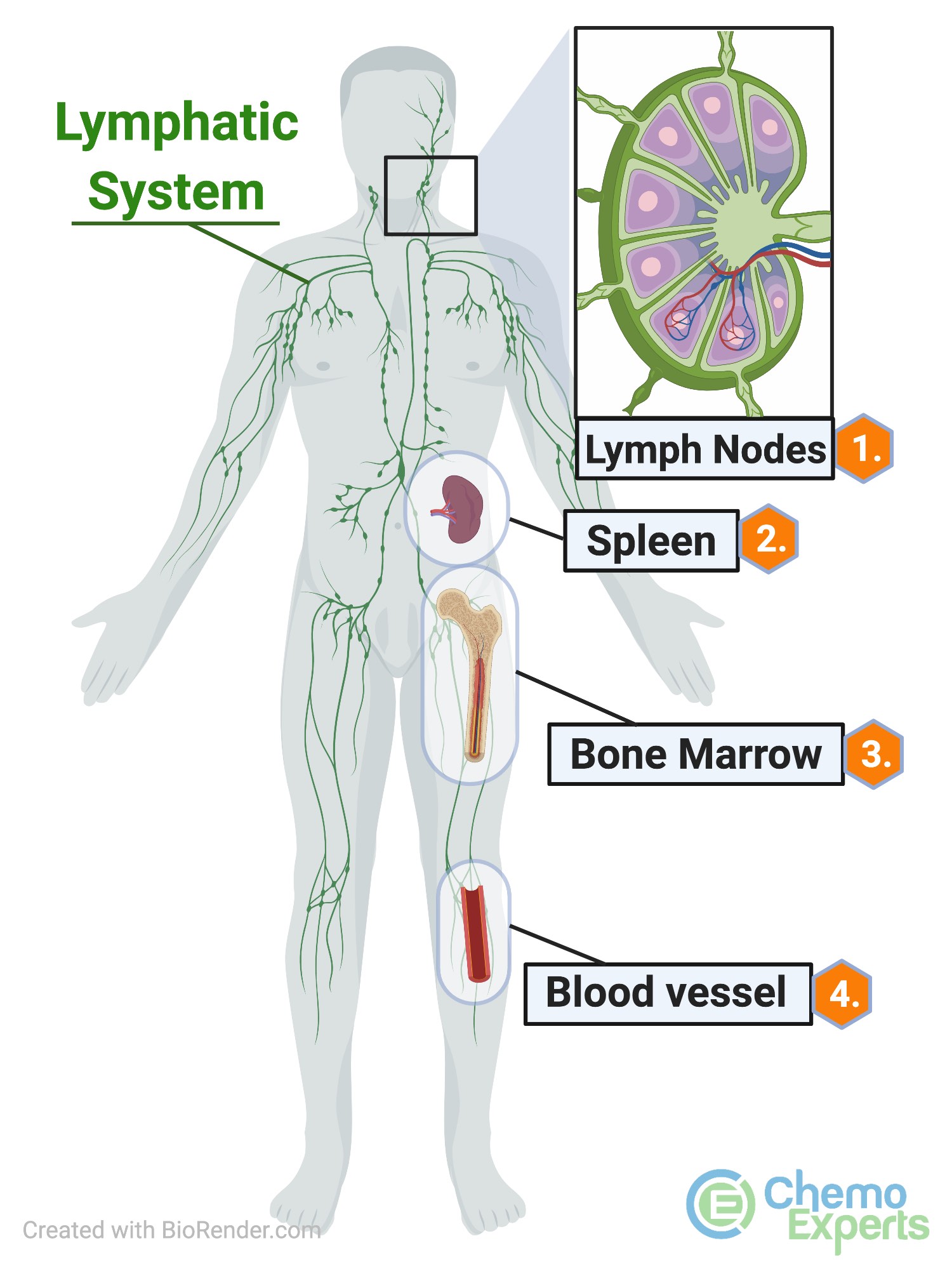
Medications for CLL may include intravenous infusions, oral tablets or capsules, or a combination of IV and oral medications. Patients may be diagnosed with CLL without having any symptoms. Others may go to their doctor with symptoms of fatigue, a large spleen, or decreased appetite. The effectiveness of the treatment may depend upon the stage at diagnosis.
NOTE: Treatment Options listed below are not all-inclusive. Other treatments may be available. ChemoExperts provides drug information and does not recommend any one treatment over another. Only your Doctor can choose which therapy is appropriate for you.
What is a "17p deletion"?
A blood test is used to detect the mutation known as a “17p deletion.”
The genetic material which makes up the small arm (also known as “p” for petit) of Chromosome 17, is where the gene known as “the guardian of the genome” lives. When this gene is missing on 17p, this condition is often referred to as a 17p deletion. If this deletion is detected, the leukemia may behave more aggressively. Click for more information on mutation testing.
What does “low risk” mean?
Low risk patients can usually be managed in an outpatient clinic. These are patients who have small lymph nodes (less than 5 cm or about 2 inches), and few CLL cells in the blood (less than 25 thousand per microliter).
Patients with “low risk” CLL should still receive IV hydration when starting venetoclax, as well as an oral medication known as allopurinol to protect the kidneys.
What does “medium risk” mean?
Medium risk patients can usually be managed in an outpatient clinic. These are patients who have slightly larger lymph nodes (between 5 - 10 cm, or about 2 - 4 inches), or many CLL cells in the blood (more than 25 thousand per microliter), but not both.
Patients with “medium risk” CLL should receive IV hydration when starting venetoclax, as well as an oral medication known as allopurinol to protect the kidneys. Patients with kidney problems, or elderly patients may need to be hospitalized for the first day or two when starting the 20 mg or 50 mg doses.
What does “high risk” mean?
High risk patients SHOULD be managed in the hospital for the first day or two when starting the 20 mg or 50 mg doses. These are patients who have a large lymph node (greater than 10 cm, or about 4 inches), or many CLL cells in the blood (more than 25 thousand per microliter), plus a slightly larger lymph node (greater than 5 cm, or about 2 inches).
Patients with “high risk” CLL should receive IV hydration when starting venetoclax, as well as an oral medication known as allopurinol to protect the kidneys, and sometimes an IV medication known as rasburicase to further protect the kidneys.
Starter Pack Dosing
The Venetoclax Starter Pack includes the following:
Week 1: Venetoclax 20 mg (two 10 mg tabs) by mouth once daily = fourteen 10 mg tablets
Week 2: Venetoclax 50 mg by mouth once daily = seven 50 mg tablets
Week 3: Venetoclax 100 mg by mouth once daily = seven 100 mg tablets
Week 4: Venetoclax 200 mg (two 100 mg tabs) by mouth once daily = fourteen 100 mg tablets
Of note: Week 5 and beyond: 400 mg (four 100 mg tabs) by mouth once daily are dispensed as a separate prescription as a one month supply
Important: Tablets should be kept in their original container until use.
Clinical Studies
If you are interested in reading the clinical trials results, please click on reference below:
Roberts AW, Davids MS, Pagel JM, et al. Targeting BCL2 with venetoclax in relapsed chronic lymphocytic leukemia. N Engl J Med. 2016;374:311-322.
What is a CBC?
A Complete Blood Count (CBC) is a frequently ordered blood test that tells clinicians the status of your: 1) White blood cell count, 2) Hemoglobin, and 3) Platelet count at the time the test was taken.
Common uses:
1) White blood cell count (WBC): is used to determine infection risk, or response to chemotherapy. Certain chemotherapy agents may harm our good infection-fighting cells. Sometimes chemotherapy may need to be delayed to allow these cells to recover.
2) Hemoglobin: is used to determine if someone is anemic. Anytime the hemoglobin is below 12 g/dL, the person is said to be anemic. Red blood cell transfusions, and sometimes iron can be given to restore the hemoglobin level, but anemia treatment should always aim at treating the underlying cause or condition.
3) Platelet count: is used to determine if the risk of bleeding is increased or if a platelet transfusion is required to prevent bleeding. Certain medications that increase bleeding risk, such as: aspirin, certain chemotherapy agents, and blood thinners, may need to be stopped temporarily until the platelet count is within a safe range.
What is a CMP?
A Comprehensive Metabolic Panel (CMP) is a frequently ordered blood test that tells clinicians the status of your: 1) Electrolytes & Acid/Base status, 2) Kidney function, 3) Liver function, 4) Blood sugar, and 5) Calcium at the time the test was taken. It is commonly used to monitor liver and kidney function when beginning new medications such as chemotherapy. A total of 14 tests are run simultaneously and are shown below.
Electrolytes & Acid/Base status:
1) Sodium, 2) Potassium, 3) Carbon dioxide, 4) Chloride
Kidney Function:
5) BUN (blood urea nitrogen), 6) Serum creatinine (Scr)
Liver Function:
7) AST, 8) ALT, 9) Total bilirubin, 10) Alk Phos, 11) Albumin, 12) Total protein
Blood sugar:
13) Serum glucose
Calcium:
14) Serum calcium
What is Tumor Lysis Syndrome?
Tumor lysis syndrome occurs when many cancer cells die quickly and release their contents into the bloodstream. Many times the body has the ability to flush these substances out through the kidneys or metabolize them via the liver. However, sometimes the body needs medicines to help eliminate these substances and to prevent organ damage.
These medicines may include: IV hydration, oral allopurinol, IV rasburicase, plus others
 With AdaptEd Library™, hospitals and cancer centers can align patient education with their protocols — clearly and consistently. Learn more or hide this message.
 +
+